Japan is increasing imports of fresh tuna to cater to the tourist season
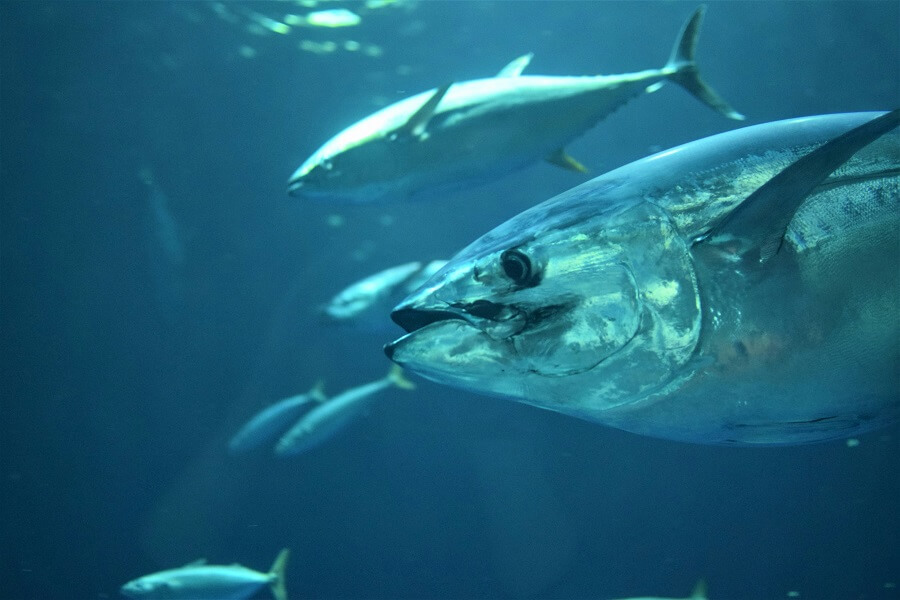
The full recovery of international tourism in Japan has led to a surge in demand for high-end seafood. At renowned wholesale markets like Toyosu, bidding prices for bluefin tuna have reached new highs. To meet domestic demand, Japanese businesses are actively seeking sources of fresh tuna from the Pacific Ocean.
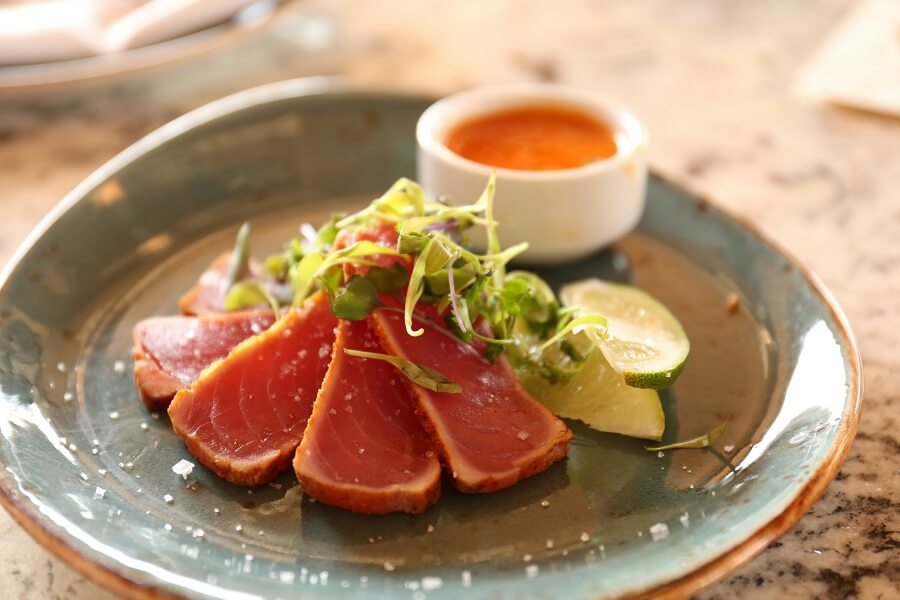
The process of transporting fresh tuna has now been upgraded to a new level. Instead of deep freezing, after being caught, the fish are processed using the Ikejime technique (nerve paralysis to preserve the freshness of the meat) and transported by air within 24 hours. This helps to preserve the muscle structure and the characteristic “Umami” flavor that discerning diners demand.
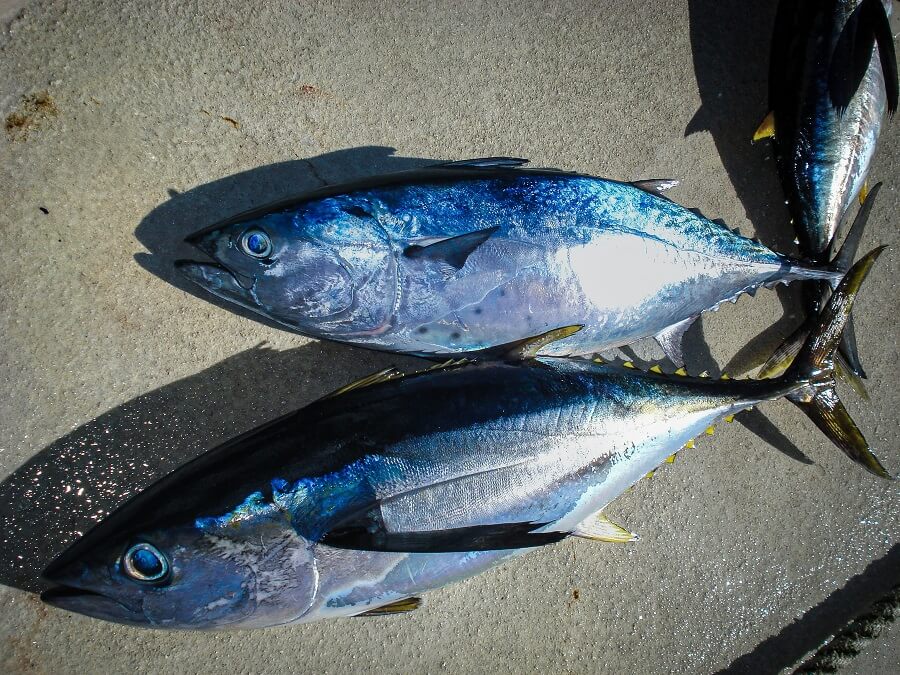
Besides bluefin tuna, yellowfin tuna is also gaining a large market share in the mid-range segment at conveyor belt sushi restaurant chains. Exporters need to be aware of Japan’s strict food safety regulations (agricultural chemical control system). Ensuring stable temperature throughout the transportation process from ship to plane and to the table is a decisive factor in determining the value of the product in this most demanding market in the world.